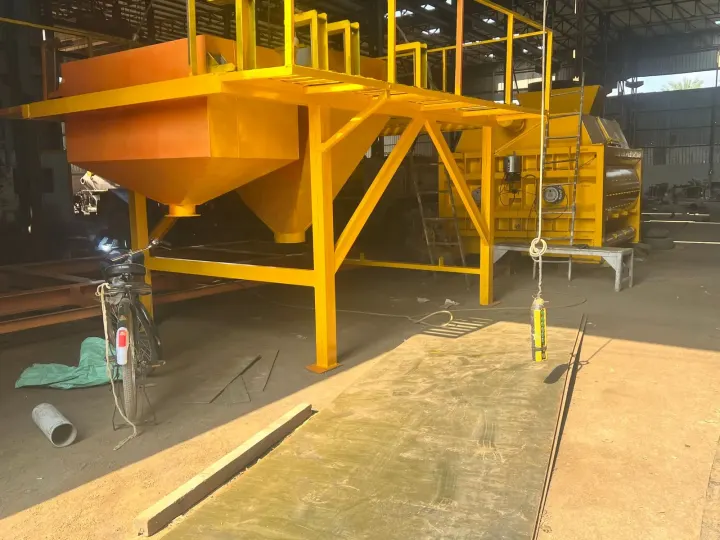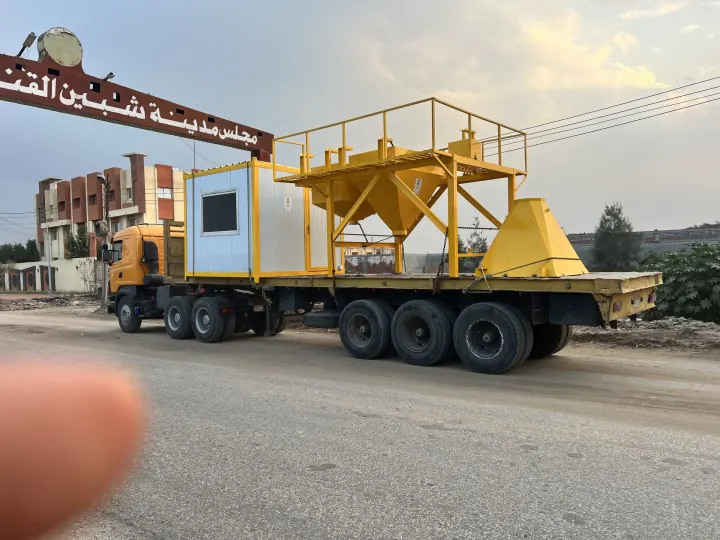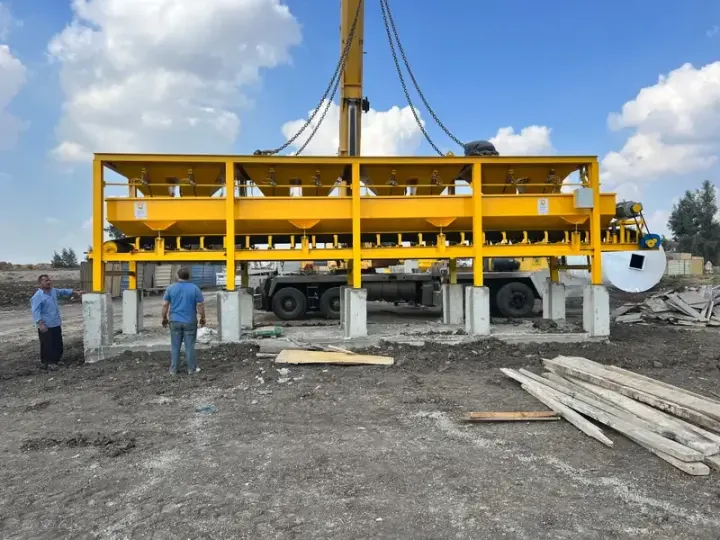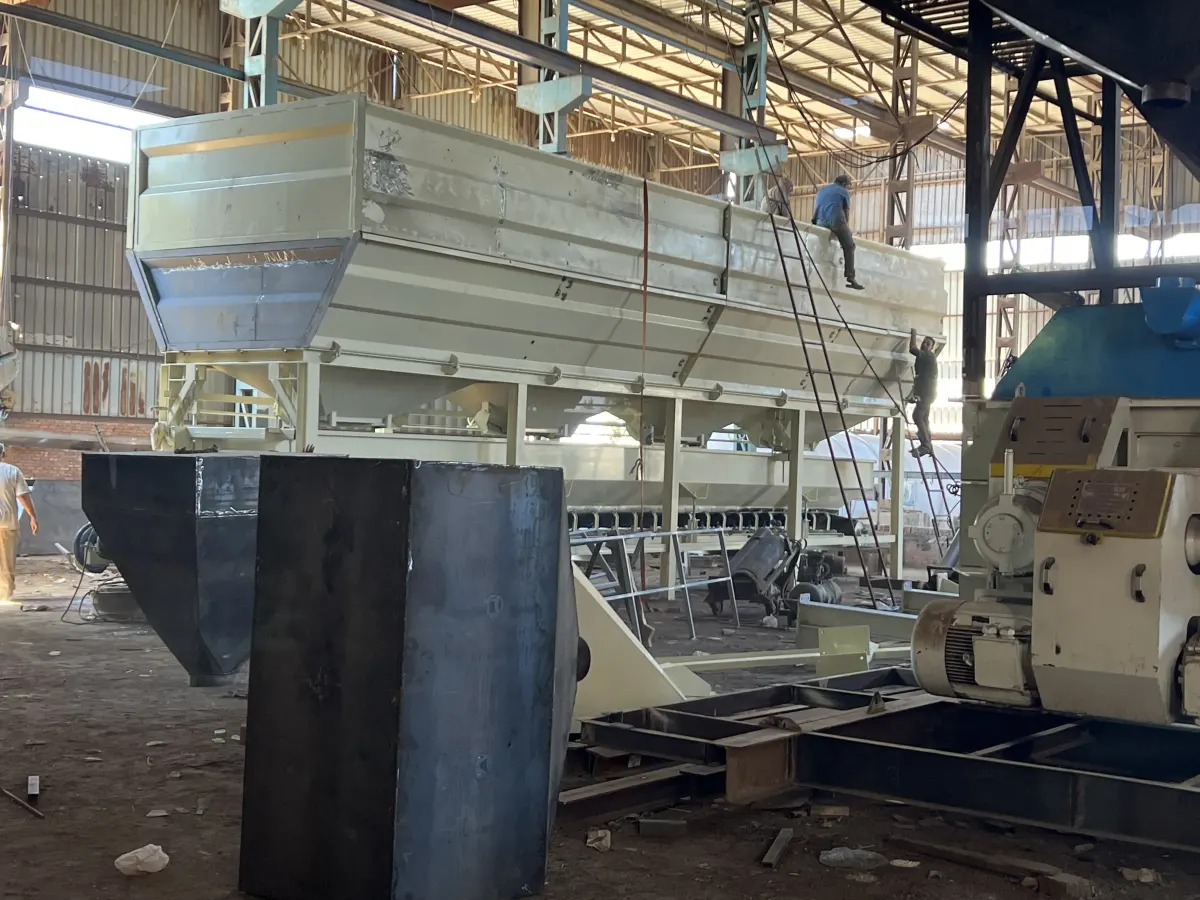
An ordered guide to installing and commissioning a batching plant, from site preparation and foundations to installation, calibration, trial runs, the first batch and formal handover.
Batching plant installation and commissioning shapes how a plant performs for years. The process runs in sequence: site and foundation preparation before delivery, receiving and inspection, mechanical and electrical installation, testing and calibration, trial runs, and finally the first production batch and handover with operator training. Rushing any step shows up later as breakdowns or quality problems. This article lays out each stage in order and who is typically responsible for what.
Stage One: Site Preparation Before Delivery
- Layout review for the plant, silos, aggregate stockpiles and truck routes.
- Soil investigation to design foundations for loads and vibration.
- Civil works and foundations, carried out by the client to the civil drawing supplied by Mousa Sons, with anchor bolts positioned precisely and enough curing time for the concrete.
- Utilities, provided by the client: power of the required rating with the main supply cable to the control room, water piped to the plant platform, and drainage.
- Internal roads for trucks and lifting equipment.
Unusual sites may call for a custom concrete plant design.
Stage Two: Receiving and Inspection
Once the client has transported the equipment to site, check the shipment against the packing list, inspect components for transport damage and store sensitive items such as control panels and load cells away from moisture and dust. Report any shortages or damage to the supplier immediately, and lay out components on site in installation order to minimise crane movements.
Stage Three: Mechanical Installation
Our team carries out the installation, while the client provides the cranes needed to unload and erect the components. A typical sequence:
- Erect and level the mixer platform.
- Install the mixer, waiting hopper and cement, water and admixture scales.
- Install aggregate bins and the weighing belt.
- Install and align the inclined conveyor.
- Erect silos and screw conveyors.
- Install the water tank, air compressor and piping.
- Position the control cabin.
Level, alignment and fixing must be verified at every step; errors here cause vibration, early wear and weighing inaccuracy.
Stage Four: Electrical and Pneumatic Works
Once the client brings the main power cable to the control room, our team wires the control room to every part of the plant, including motors, sensors and gates; power panels, protection and earthing; compressed air lines to gates, valves and silo filters; and a rotation-direction check on every motor before live running.
Stage Five: Batching Plant Installation and Commissioning Tests
- Individual component tests confirming each motor, conveyor, gate and valve responds to the control system.
- Lubrication of bearings, seals and gearboxes.
- Scale calibration with known test weights.
- Control setup: entering recipes, dosing speeds and in-flight compensation.
Stage Six: Trial Runs
Dry cycles confirm the sequence, followed by loaded cycles to verify weighing, mixing and discharge under real conditions. Weighing records are reviewed and mixing time tuned before production.
Stage Seven: First Batch and Handover
The first production batches are sampled and tested to project requirements. The plant is formally handed over with technical documents and operating and maintenance instructions, alongside operator and maintenance team training.
Safety During Installation
- Use lifting equipment rated for the loads, with qualified operators.
- Secure work at height with harnesses and guardrails.
- Isolate power during electrical connection and testing.
- Keep people clear of rotating parts during trial runs.
- Define a controlled work zone for authorised staff only.
Documents to Receive at Handover
- Final plant drawings and electrical schematics.
- Operating instructions and maintenance schedules.
- Critical spare parts lists with part numbers.
- Scale calibration records at handover.
- A backup of the control program and recipes.
The First Weeks After Handover
The early operating period is the most sensitive. Real production pressure exposes issues, bolts and belts need re-tensioning after initial running, and the team is building hands-on experience. Close technical follow-up, regular review of weighing logs and alarms, and prompt action on every observation prevent small issues becoming breakdowns.
Division of Responsibilities
| Item | Client | Mousa Sons |
|---|---|---|
| Civil works and foundations | Execution | Civil drawing |
| Transport to site | Transporting the plant | — |
| Cranes | Cranes for unloading and erection | — |
| Electricity | Power and main cable to the control room | Wiring from the control room to all plant parts |
| Water | Water supply to the plant platform | — |
| Installation and handover | — | Installing and handing over the plant |
| Training | Assigning the operating team | Technical operator training |
Document this split clearly in the contract to avoid delays.
Related reading: weighing accuracy and calibration, PLC control systems for batching plants and our preventive maintenance checklist.
Frequently Asked Questions
Does Mousa Sons handle installation?
Yes. Our installation and commissioning service takes the plant through to the first batch, including team training.
What speeds up installation most?
Accurate, on-time foundations, utilities and cranes on the client side. Most delays happen before equipment arrives, not after.
When does maintenance start?
From day one, following daily, weekly and periodic checks. See our preventive maintenance service.
Start Production With Confidence
Share your site details and plant requirements, and we will outline preparation needs and project stages. Request an estimated quotation today.