A practical explanation of PLC control in batching plants, covering components, recipe management, dosing, alarms and records, automation levels and how to choose the right system.
A PLC control system for batching plants is no longer optional; it is the foundation of controlled production. It ensures every batch matches its mix design with consistent accuracy, reduces dependence on individual operator skill, records every batch to protect you with clients and consultants, shortens cycle times and cuts waste. This article explains what a PLC is, its components and functions in a plant, the levels of automation and how to choose the right system.
What Is a PLC?
A Programmable Logic Controller is an industrial computer built for dust, vibration and heat. It reads signals from sensors, scales and switches, runs a defined program and commands gates, motors and valves. In a batching plant, the entire sequence from opening an aggregate gate to discharging the mixer runs on programmed logic that does not change from shift to shift.
System Components
- PLC unit executing the program.
- HMI screen where the operator selects recipes and monitors cycles and alarms.
- Weighing indicators converting load cell signals into accurate readings.
- Input/output modules linking sensors, motors and gates.
- Database and reporting software for recipes and production records.
- Power and protection panels for motors and electrical safety.
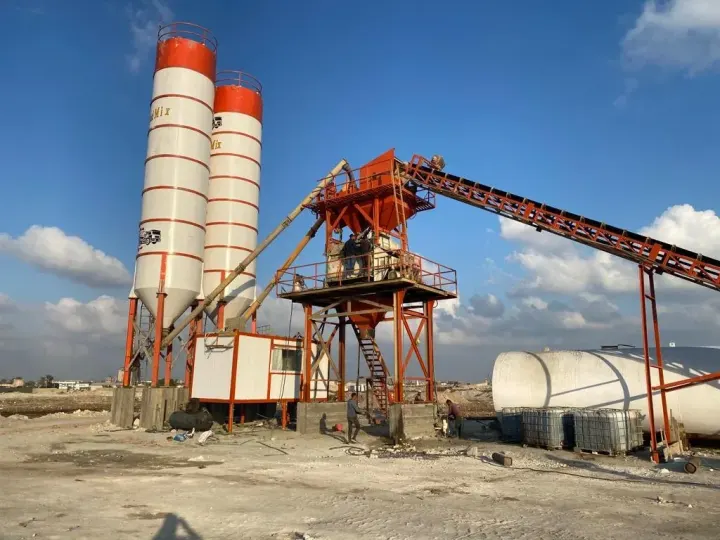
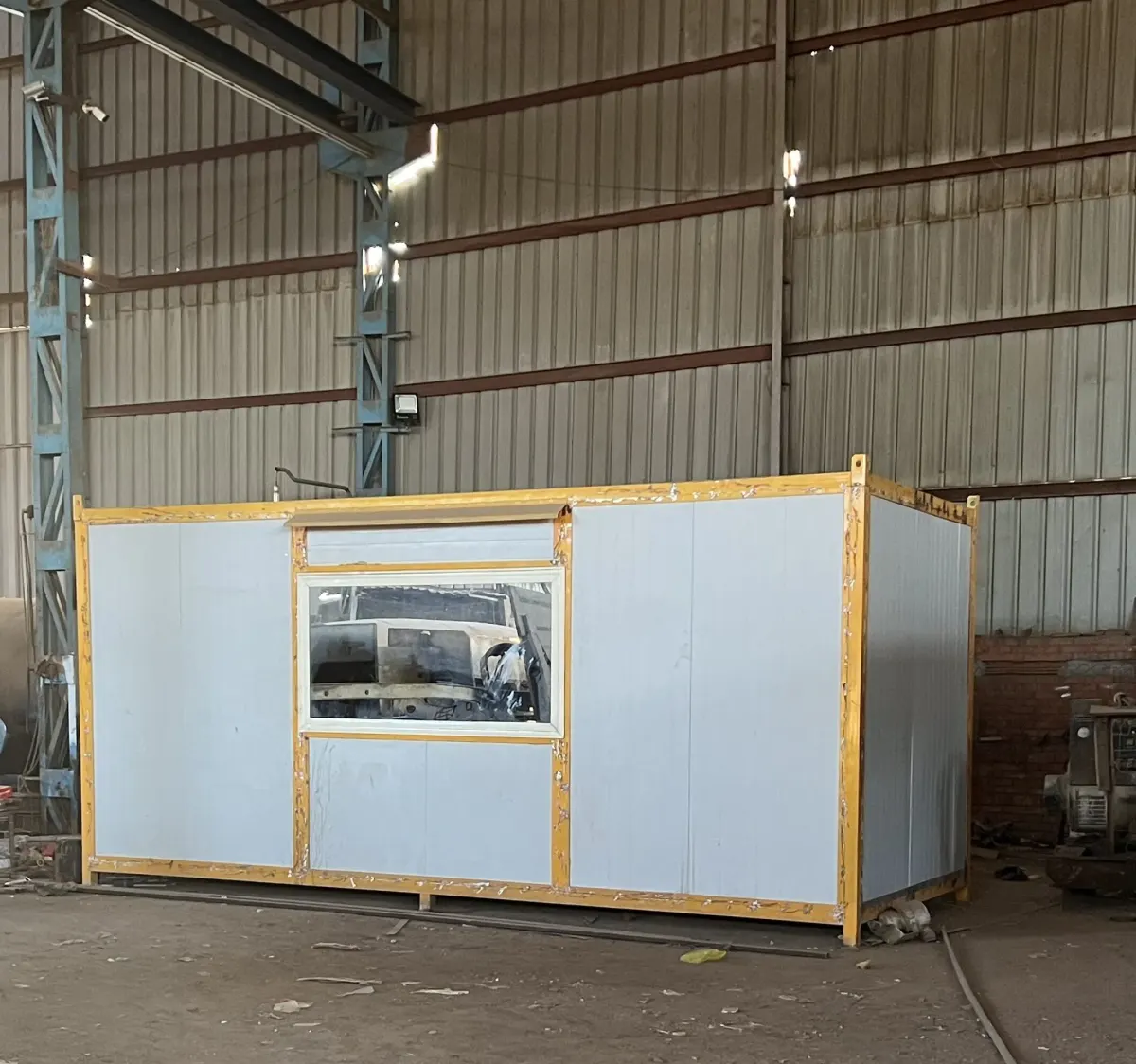
The system is located in a control room overlooking the plant; the control room can be supplied inside a 3.5 × 2 metre caravan.
What a PLC Control System for Batching Plants Does
Recipe management
Mix designs are stored with the weight of every ingredient. The operator selects a recipe and the system handles the rest, eliminating manual entry errors.
Dosing and discharge sequencing
The PLC orders material release, weighing and discharge, using coarse-then-fine dosing and in-flight compensation.
Moisture compensation
Advanced systems adjust added water based on sand moisture to protect the water-cement ratio.
Admixture dosing
Admixtures are small in quantity but large in effect. The PLC doses them accurately and adds them at the right point in the mixing cycle for each recipe.
Interlocks and safety
The system blocks conflicting commands, such as opening the mixer gate while mixing, and stops equipment when faults occur.
Alarms and diagnostics
Clear messages flag weight deviations, stopped conveyors or low air pressure, shortening troubleshooting time.
Reports and records
Target and actual weights are logged for every batch, with production and consumption reports and, where configured, delivery tickets for each truck.
Levels of Automation
| Criterion | Manual | Semi-automatic | Fully automatic PLC |
|---|---|---|---|
| Operator dependence | Total | Partial | Limited |
| Quality consistency | Variable | Moderate | High |
| Cycle time | Longest | Moderate | Shortest |
| Batch records | Rarely | Limited | Complete |
Supporting Management Decisions
The value of a PLC extends beyond the control cabin. Reports give management clear visibility of daily output, cement and aggregate consumption against volume produced, and batches per client or project. Comparing this data with supply invoices reveals waste or errors early and grounds purchasing and pricing decisions in real figures rather than estimates.
Common Mistakes
- Choosing a system without local support, turning minor faults into long stoppages.
- No backups of the program and recipes.
- Uncontrolled recipe editing without clear user permissions.
- Ignoring the reports, so data is recorded but never used for control.
How to Choose
- An intuitive interface, ideally with Arabic language support for local teams.
- Local availability of PLC and indicator spare parts.
- Local technical support able to modify the program quickly.
- Detailed, exportable reports.
- Scalability for extra silos, admixtures or lines.
- Program and recipe backups.
Upgrading Older Plants
Many existing plants run on manual or obsolete controls with hard-to-find parts. A control upgrade is one of the highest-return improvements because it lifts quality and speed without replacing the structure or mixer. See our plant upgrade and modernization service and read when to upgrade instead of buying new.
Related reading: batching plant weighing accuracy and batching plant components.
Frequently Asked Questions
Does a PLC remove the need for a trained operator?
No. It shifts the role from manual execution to monitoring and handling alarms. Training is essential, and we provide it through our training and technical support. See the full operator training curriculum.
What if the control system fails?
Fast local support, program backups and available spare parts keep downtime to a minimum.
Can a PLC be retrofitted to an old plant?
Usually yes, after assessing scales, gates and motors for compatibility.
Can reports be accessed outside the plant?
It depends on the system selected. Some systems allow report export or remote viewing, which we define when assessing your requirements.
Move to Controlled Production
Whether you are planning a new plant or modernising your controls, our team can assess your needs. Explore our PLC automation systems or request an estimated quotation.