How genuine spare parts affect batching plant life and running costs, covering key parts in each system, a true cost comparison and how to build a smart stock of critical spares.
Genuine spare parts for concrete plants are not a minor budget line; they directly shape plant life, running costs and output stability. A genuine part is made to the same dimensions, materials, hardness and tolerances the plant was designed around, so it works in full harmony with surrounding components and lasts longer. A non-matching part may save at purchase but often wears faster, damages adjacent parts and causes downtime costing far more than the saving. This article covers the key parts in a plant, how the choice affects real cost and how to build a smart spares stock.
What Makes a Part Genuine?
A genuine part matches the equipment manufacturer's specification in dimensions, material and heat treatment, wear resistance and manufacturing precision. The match is not cosmetic: a mixer paddle that looks identical may differ in hardness, wearing out in a fraction of the time or proving brittle enough to break and damage liners and arms.
Key Spare Parts in a Batching Plant
Mixer
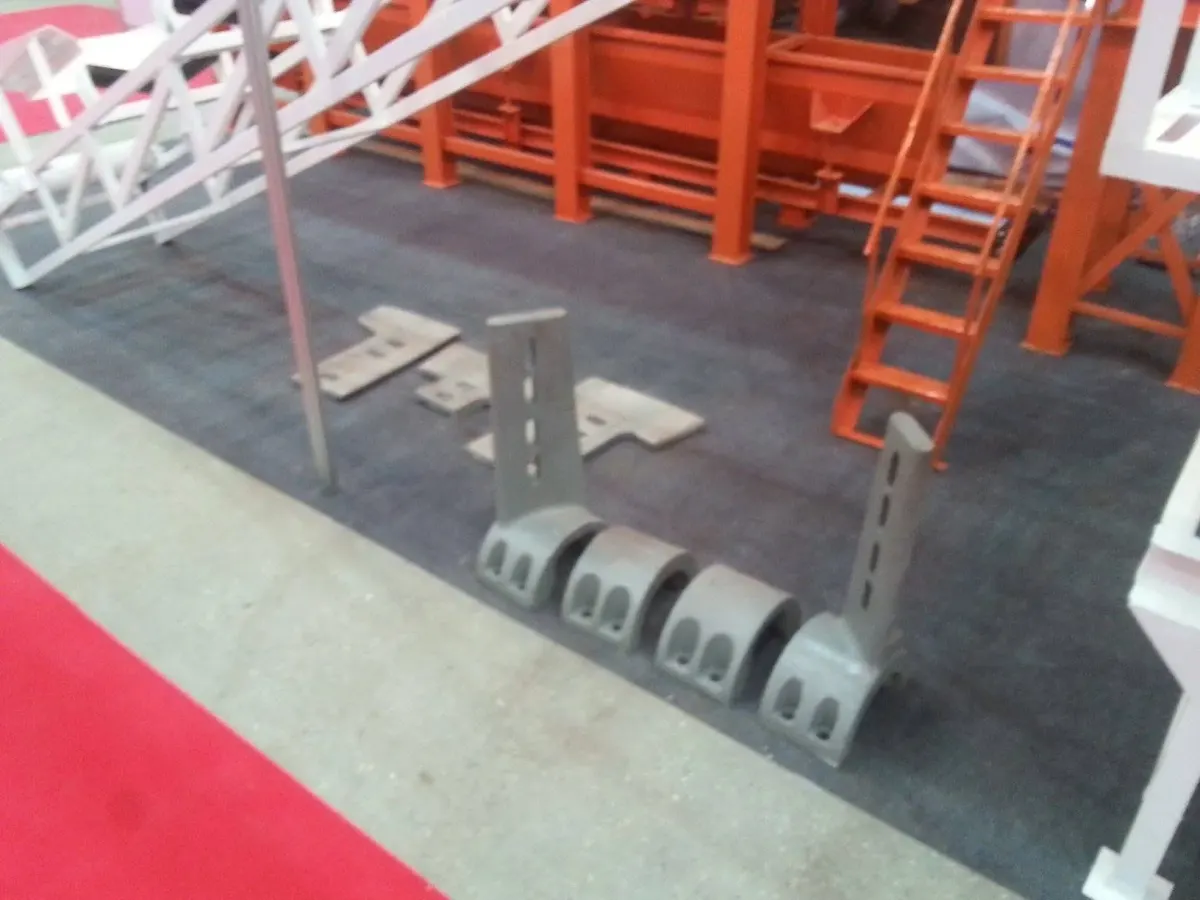
Paddles, arms and liners wear constantly from aggregate abrasion. Shaft seals and bearings on twin-shaft mixers and gearbox components complete the list. Any weakness here affects mixing quality and mixer life.
Weighing
Load cells, indicators and cables. A non-matching part may work but give inaccurate readings that affect every batch without being noticed.
Pneumatics
Valves and cylinders operating gates, plus compressor parts and filters. Slow response or leaks hurt weighing accuracy and cycle time.
Conveyors and screws
Belts, idlers, pulleys, bearings and scrapers, plus screw conveyor parts.
Silos
Dust filters, relief valves, aeration pads and bottom valves.
Electrical and control
Power and protection components, sensors and PLC input/output modules, which must be compatible with the existing program and system.
How Genuine Spare Parts for Concrete Plants Extend Plant Life
- Compatibility: no extra stress on bearings, shafts or structure.
- Predictable wear: replacement can be scheduled within preventive maintenance.
- Protection of core parts: correct paddles and liners protect the mixer body and arms.
- Stable performance: especially in weighing and control, where any mismatch shows in every batch.
Purchase Price vs Operating Cost
| Criterion | Genuine part | Non-matching part |
|---|---|---|
| Purchase price | Usually higher | Usually lower |
| Service life | Predictable | Uncertain, often shorter |
| Effect on adjacent parts | Fully compatible | Risk of stress or damage |
| Unplanned stoppages | Fewer | More likely |
| Performance accuracy | As designed | May drift |
Once downtime is costed, including delayed pours, waiting trucks and unhappy clients, the saving on a cheaper part often proves illusory.
Building a Smart Spares Stock
- Critical parts whose failure stops the plant, such as mixer paddles and liners, seals, load cells and key valves: keep stock on site.
- Periodic wear parts such as silo filters, belts and idlers: order ahead based on the maintenance log.
- Rarely needed parts: know the source and lead time.
The more accurate your maintenance log, the easier and more economical it is to set quantities and reorder points.
Verifying Parts
- Buy from the plant manufacturer or its approved supplier.
- Use part numbers from plant documents and spare parts lists.
- Check dimensions and specifications on receipt, before fitting.
- Record each part's source and fitting date to compare service life.
Common Mistakes
- Buying only after a failure, turning the wait for a part into a long stoppage.
- Overstocking non-critical items while neglecting parts that actually stop the plant.
- Not recording source and fitting date, so weak parts go unnoticed.
- Storing sensitive parts such as load cells and electrical components in damp or dusty conditions.
- Fitting parts without proper training, damaging a genuine part through poor installation.
Older Plants
Older plants often struggle to source parts, especially for legacy controls. Replacing the component with a modern one may be cheaper than chasing rare parts, part of our plant upgrade and modernization service. Genuine parts deliver full value when fitted on time within a preventive maintenance programme.
Related reading: preventive maintenance checklist and common batching plant problems.
Frequently Asked Questions
Are genuine parts always more expensive?
Purchase price is usually higher, but total cost over the part's life is lower in most cases thanks to longer service and fewer failures.
Which parts should be kept on site?
Mixer paddles and liners, seals, load cells and key pneumatic valves, since any of them can stop the plant.
Does Mousa Sons supply parts?
Yes, through our genuine spare parts service.
Protect Your Plant With the Right Part
Send us your plant type, components and parts list, or ask us to help define a critical spares stock. Request an estimated quotation today.