A practical method to choose cement silo quantity and capacity based on peak consumption, supply lead time and cement types, plus key silo components and common mistakes.
Cement silo sizing decides whether your plant keeps running on peak days. In short: set the number of silos by how many cement types and binders you use, and set capacity by peak-day consumption and cement delivery lead time, with a safety margin for late shipments. Mousa Sons supplies cement storage silos at 60, 80, 120, 150 and 180 tonnes. This article gives a structured method for choosing quantity and size, reviews key silo components and highlights common mistakes.
What a Cement Silo Does
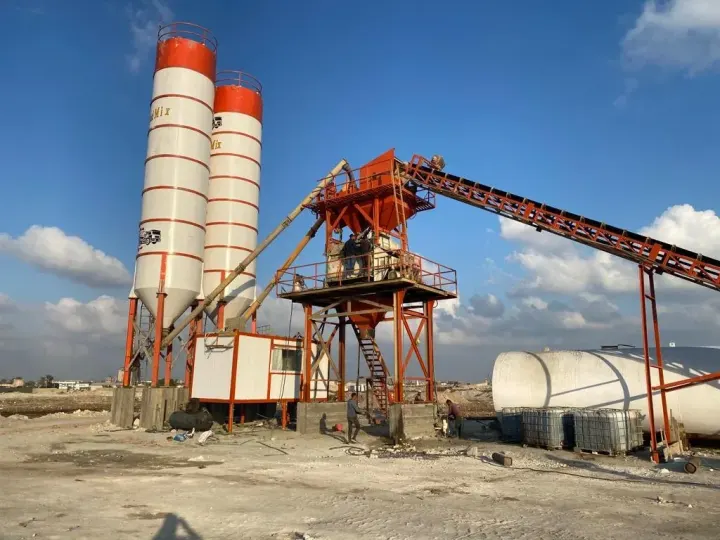
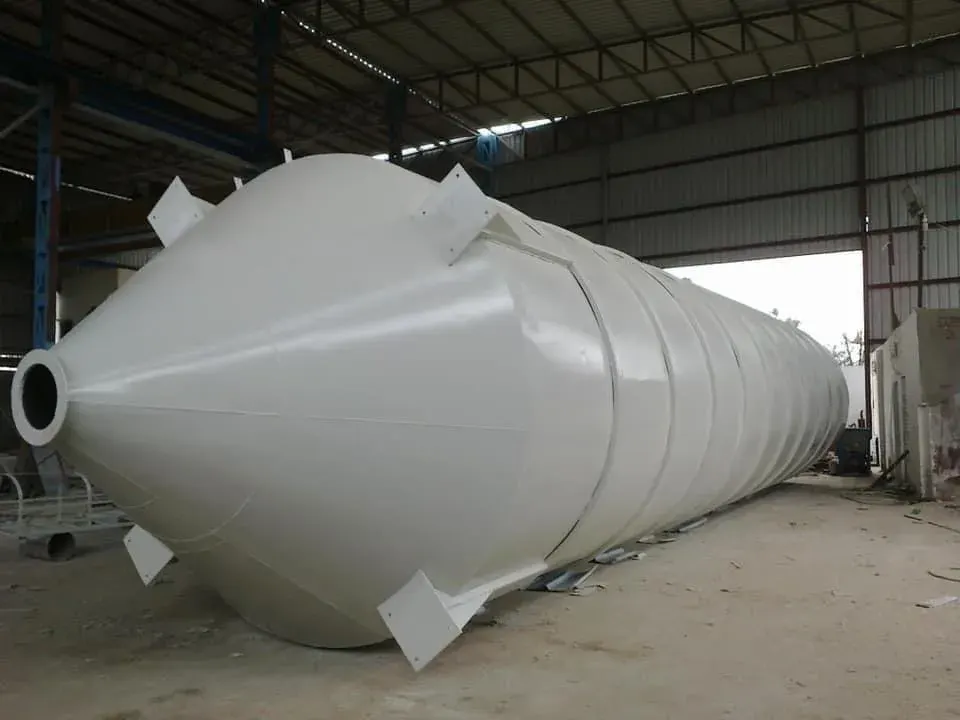
A cement silo is a sealed vertical vessel that protects cement from moisture and contamination and feeds the cement scale through screw conveyors at a steady rate. Cement exposed to humid air starts to lump and loses effectiveness, so the silo protects the most critical ingredient in the mix and ensures it is available the moment the plant needs it.
Cement Silo Sizing: The Key Factors
Peak-day consumption
Daily cement use depends on output and mix designs, since higher-strength mixes use more cement per cubic metre. Size for the peak day, not the average: running out mid-pour means unplanned cold joints and lost client confidence.
Delivery lead time and reliability
The farther you are from cement suppliers, or the less reliable deliveries are, the more storage you need to cover the gap between ordering and arrival. On remote sites, reserve stock is essential.
Plant capacity
A 130 m³/h plant draws down stock far faster than a 60 m³/h plant and needs storage to match.
Space and foundations
Larger silos need stronger foundations and enough room for delivery trucks, as well as safe access for maintenance.
How Many Silos?
Quantity depends on the number of different binders, since each needs its own silo. Typical examples include ordinary Portland cement, sulphate-resisting cement for aggressive soil or water conditions, and supplementary binders specified for certain mixes. Multiple silos also let you empty one for cleaning or maintenance without stopping production.
A Step-by-Step Method
- List the cement types and binders you use or expect to use.
- Estimate peak-day consumption for each.
- Decide how many days of cover you need based on supply lead time.
- Add a safety margin for delays and sudden orders.
- Split total capacity across silos using the available sizes.
- Check site constraints: space, foundations and truck routes.
More Smaller Silos or Fewer Larger Ones?
| Criterion | More, smaller silos | Fewer, larger silos |
|---|---|---|
| Multiple cement types | High flexibility | Limited |
| Maintenance without stopping | Easy | Harder |
| Footprint | Relatively larger | Relatively smaller |
| Screw conveyors | More | Fewer |
| High output, single cement | Good with planning | Excellent |
Silo Components to Check
- Dust filter capturing airborne cement during filling, cleaned with compressed air.
- Pressure relief valve protecting the silo during pneumatic filling.
- Level indicators warning of full or low levels, which can be linked to the PLC control system.
- Aeration pads helping cement flow from the cone.
- Bottom valve controlling discharge and isolating the silo for maintenance.
- Filling pipe, ladders and platforms for delivery and safe access.
Climate Considerations
Heat and coastal humidity demand extra care. Moisture entering through a poorly sealed opening or damaged filter causes cement to cake on silo walls and the cone, restricting flow to the screw conveyor. Wind and dust also load the filters. Seal every opening, inspect filters regularly and monitor aeration pads, especially at coastal or exposed sites.
Bulk Delivery Access
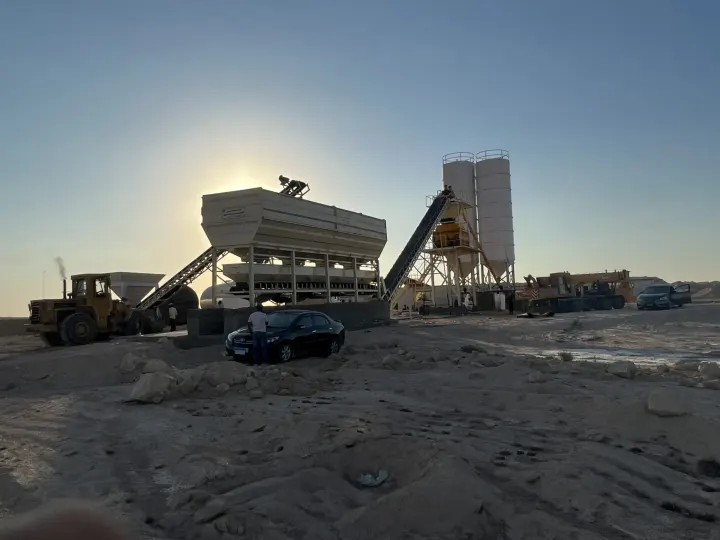
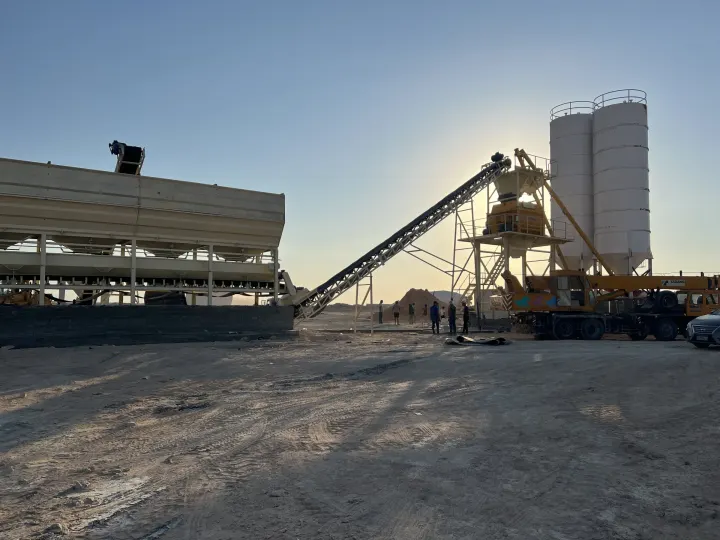
Cement is usually delivered by bulk tankers that blow it into the silo through the filling pipe. Position silos so tankers can reach them easily and park safely during filling without blocking concrete trucks. Planning this route early avoids congestion on peak days.
Common Mistakes
- Sizing on average rather than peak consumption.
- Ignoring the possibility of a new cement type being specified later.
- Neglecting filter maintenance, causing filling problems and dust emissions.
- Relying on a single silo, so any fault or cleaning stops the plant.
Filters, valves and aeration pads should be part of your preventive maintenance programme (see our maintenance checklist).
Related reading: how to choose plant capacity and batching plant components.
Frequently Asked Questions
What silo capacities are available?
Mousa Sons supplies silos at 60, 80, 120, 150 and 180 tonnes.
Can silos be added to an existing plant?
Usually yes, after reviewing foundations, screw conveyor routing and the control system.
How do I prevent cement lumping?
Keep the silo sealed, maintain filters and aeration pads, and rotate stock so cement is not stored for long periods.
Get the Right Silo Configuration
Share your plant capacity, cement types and location, and we will recommend silo quantity and size. Explore our cement storage silos or request an estimated quotation.