A practical comparison of stationary and mobile batching plants covering design, installation, storage and scalability, with a comparison table and clear steps to choose the right type.
Stationary vs mobile concrete batching plant: which should you buy? A stationary plant is the better choice for continuous commercial production on one site for many years. A mobile plant is the better choice for contractors who move between consecutive projects and need to dismantle and re-erect quickly. This article compares both types on design, installation, storage and expansion so you can decide based on how your business actually operates.
What Is a Stationary Batching Plant?
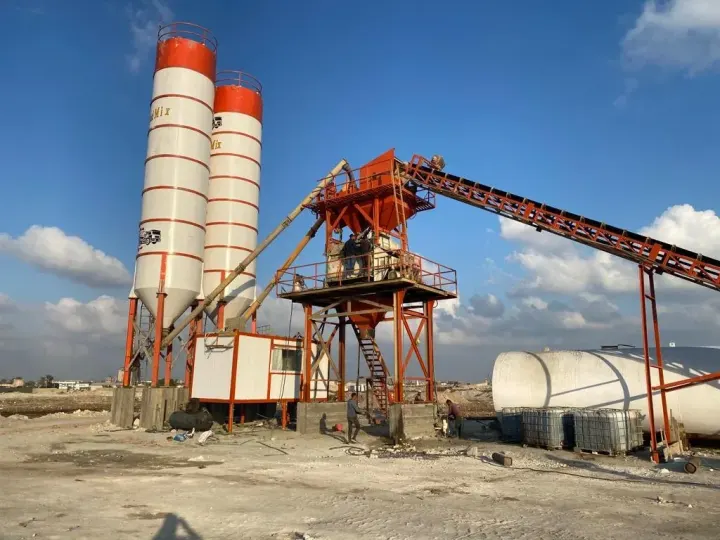
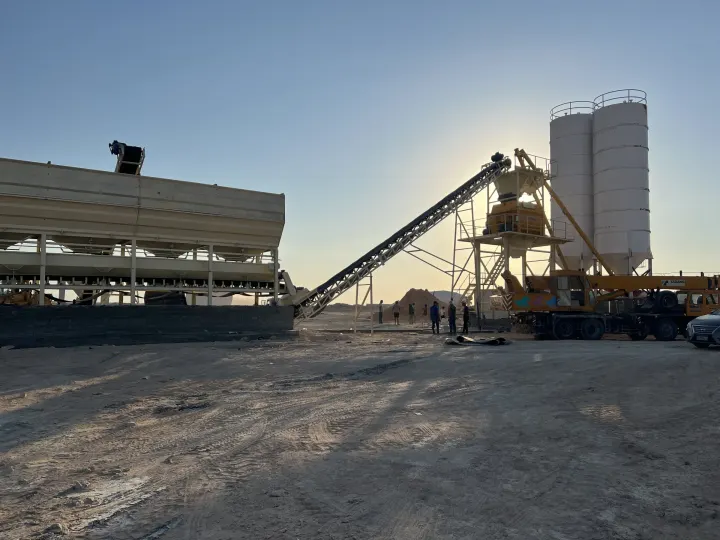
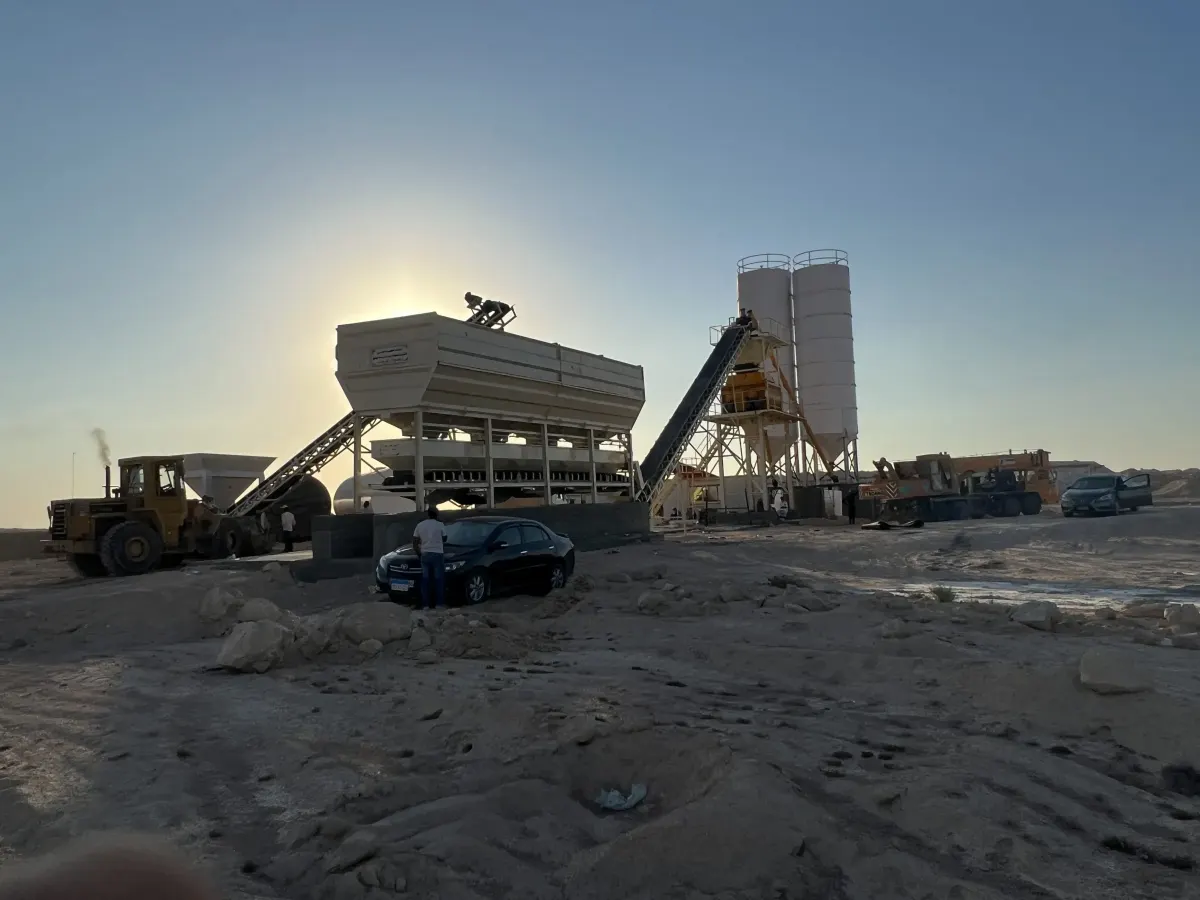
A stationary plant is installed on permanent concrete foundations at a fixed location. The batching tower, mixer, aggregate bins, conveyors, cement silos and control cabin are arranged for long-term operation. This layout allows larger aggregate and cement storage, straightforward addition of silos or ancillary equipment as demand grows, and stable operation with easy maintenance access.
When stationary makes sense
- Commercial ready-mix operations serving a defined area.
- Large, multi-year projects such as new cities and industrial zones.
- Operations using several aggregate grades, admixtures and high cement storage.
- Businesses planning to scale capacity at the same site.
What Is a Mobile Batching Plant?
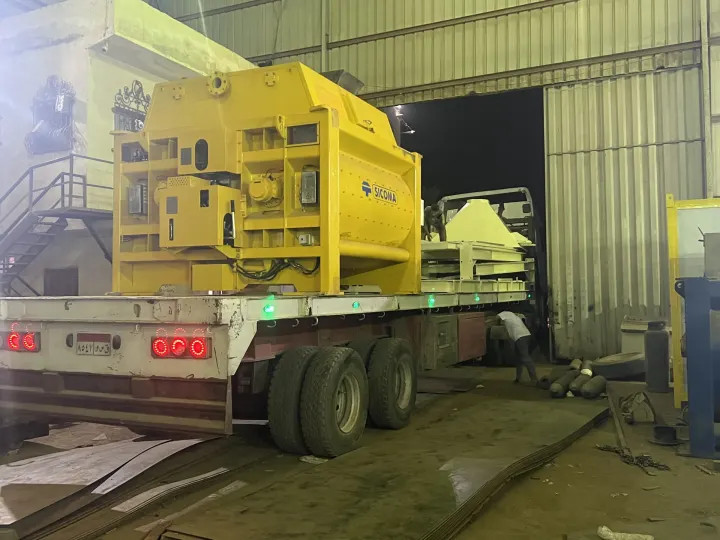
A mobile plant is built for relocation. Its main components are mounted on structures that can be dismantled, transported and re-erected relatively quickly, usually with simpler foundations. This gives contractors the flexibility to follow their projects and shortens downtime between jobs.
When mobile makes sense
- Moving infrastructure work such as roads and bridges.
- Remote projects far from existing ready-mix suppliers.
- Short or medium project durations on site.
- Schedules where a fast production start is critical.
Stationary vs Mobile Concrete Batching Plant: Comparison Table
| Criterion | Stationary | Mobile |
|---|---|---|
| Time on site | Long term, years | Short to medium, project-based |
| Foundations | Permanent concrete foundations | Usually simpler |
| Installation time | Relatively longer | Relatively faster |
| Storage | Larger and expandable | Limited by module design |
| Scalability | High | Limited |
| Relocation | Not designed for frequent moves | Designed to be moved |
| Typical use | Commercial ready-mix, major projects | Roads, bridges, temporary sites |
Capacity Options
Mousa Sons offers both stationary and mobile plants at 60, 80, 100, 120 and 130 m³/h. Capacity is therefore not what separates the two types; time on site and the nature of your work are. Stationary plants do, however, make it easier to add ancillary equipment later, such as extra silos, larger water tanks or a mobile stockpiling conveyor. See the available configurations on our ready-mix concrete batching plants page.
Installation and Commissioning
For a stationary plant, work starts with foundations, followed by structures, mixer, conveyors, silos, electrical works and the control system. Mobile plants arrive more pre-assembled, so on-site work focuses on levelling, fixing and connections. In both cases, a specialist team should calibrate the scales and test the control system before the first batch, which is exactly what our installation and commissioning service covers. The stages are detailed in our installation and commissioning guide.
Storage Planning
Storage is often overlooked. Stationary plants typically accommodate more and larger silos, reducing cement delivery frequency and securing peak-day output. Mobile plants usually need tighter supply-chain planning because on-site storage is smaller. Our cement storage silos are available at 60, 80, 120, 150 and 180 tonnes for either type.
Operating Cost Considerations
Compare lifetime cost, not just purchase price. Stationary plants concentrate cost in foundations and initial site preparation, then settle into stable operating costs for years. Mobile plants repeat dismantling, transport and re-erection costs with every move, offset by avoiding permanent foundations at each site. Estimate how often you will relocate and how long each move takes. In both cases, preventive maintenance and genuine spare parts drive the real long-term operating cost, because downtime in the middle of a project costs far more than any difference in purchase price.
Common Mistakes
- Buying mobile for a permanent site, then hitting storage and expansion limits once demand settles.
- Buying stationary for a temporary project, adding avoidable foundation and relocation costs.
- Ignoring the truck fleet: plant type cannot fix delivery bottlenecks.
- Overlooking after-sales support, especially for mobile plants working in remote locations.
For the other selection criteria, from mixer type to after-sales support, see our concrete batching plant buying guide.
Frequently Asked Questions
Is concrete from a mobile plant lower quality?
No. Quality depends on the mixer, weighing accuracy, control system and operation, not on whether the plant is mobile or stationary.
Can a stationary plant be relocated?
Technically yes, but it requires dismantling, new foundations and more time and cost, so it is not recommended for frequent moves.
Can a design combine the benefits of both?
In some cases a custom configuration can balance portability and storage, depending on the project profile.
Get the Right Recommendation
There is no universally better type, only the right fit for your operation. Tell us about your project duration, location and demand, and our engineers will recommend the type and capacity. Request an estimated quotation today.