A practical framework for choosing between upgrading an existing batching plant and buying new, covering warning signs, upgradable components, decision criteria and how upgrade projects run.
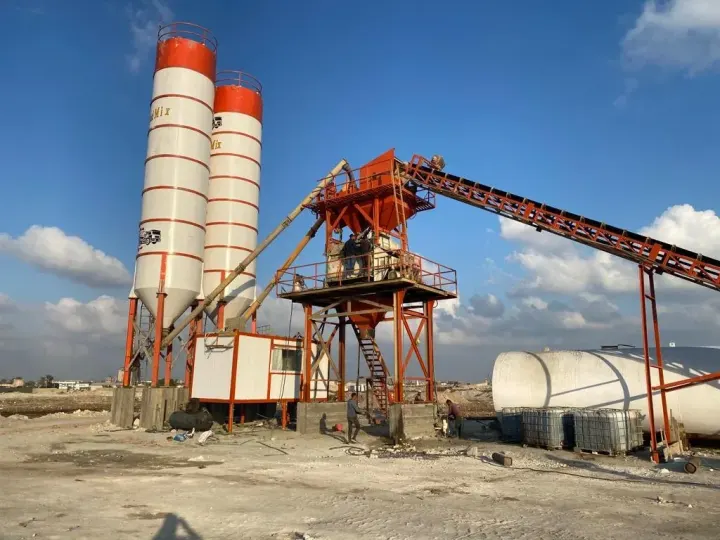
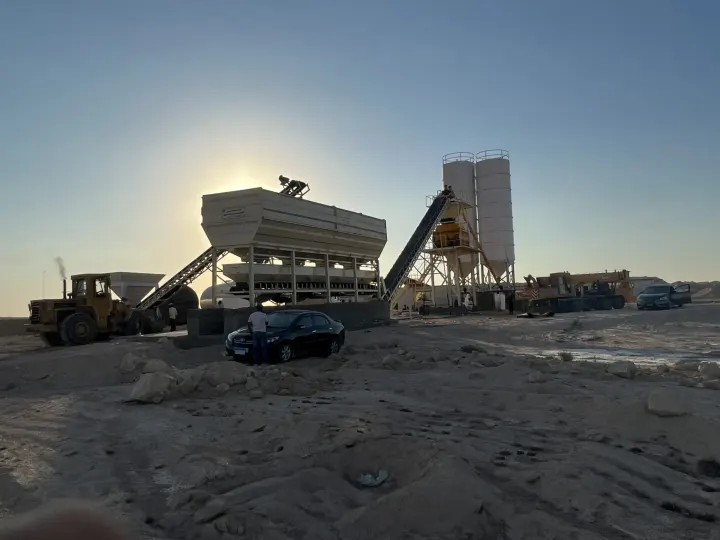
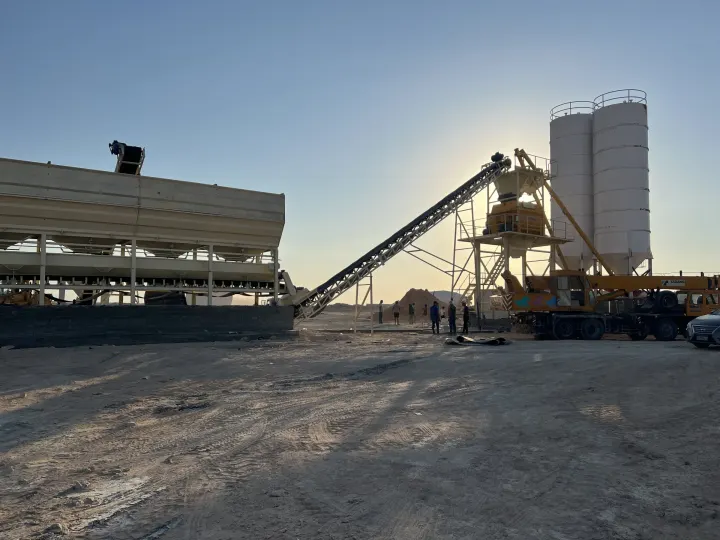
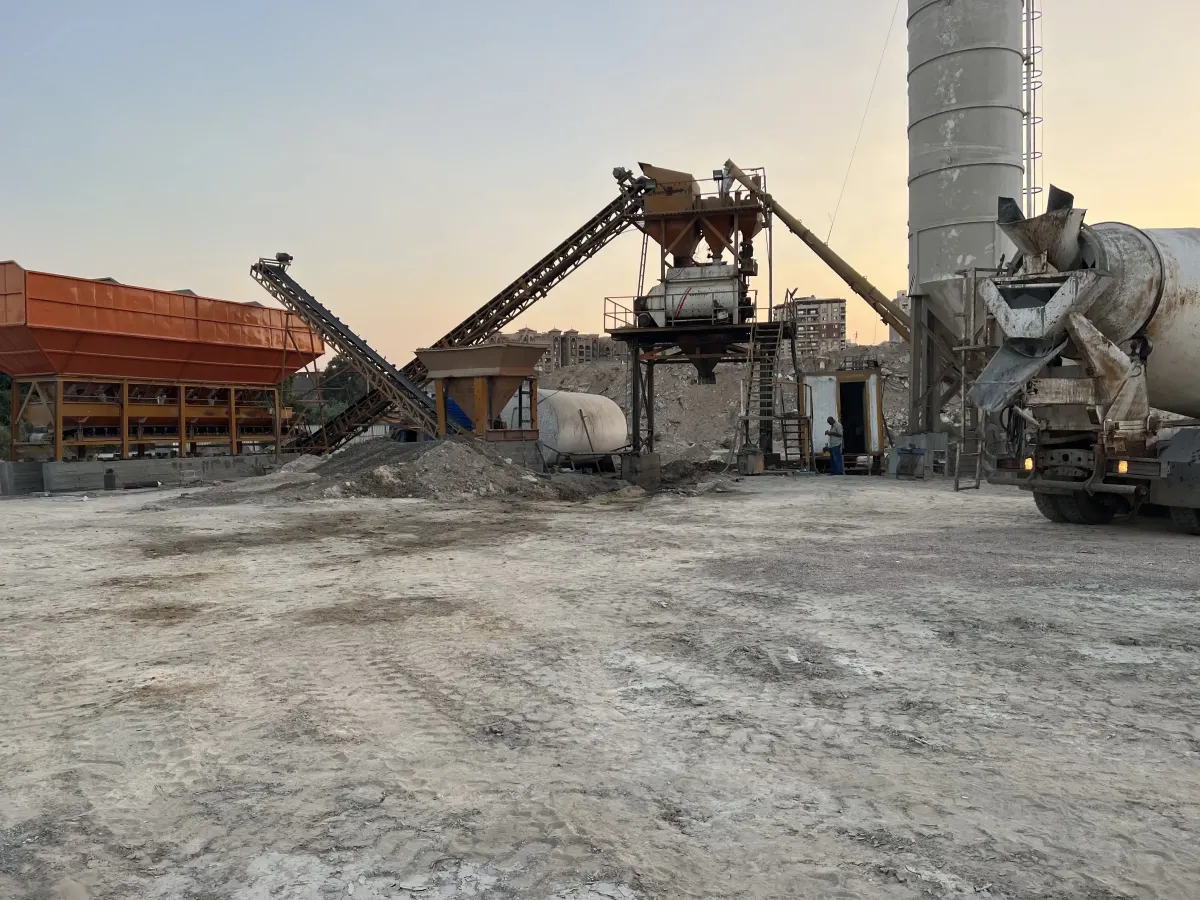
Upgrading an existing concrete plant can be smarter than buying a new one, or a waste of money if the plant has passed its economic life. Upgrading makes sense when the structure and foundations are sound and the problem lies in specific components such as controls, scales, the mixer or storage capacity. A new plant becomes necessary when the structure is deteriorating, the capacity gap is large or the business must move to a site with different requirements. This article offers a practical framework for the decision.
Signs Your Plant Needs Attention
- Stoppages increasing despite maintenance.
- Hard-to-source spare parts, especially for old control systems.
- Inconsistent quality and cube results with stable materials.
- Capacity no longer covering peak-day demand.
- Operation dependent on one operator's skill, without batch records.
- Rising cement or power consumption relative to output.
These signs call for a technical assessment, not automatically a new plant.
What Can Be Upgraded?
Control system
Often the highest-return upgrade. Replacing manual or obsolete controls with a modern PLC improves accuracy, shortens cycles and delivers full records without touching the structure. See our PLC automation systems.
Weighing
Replacing damaged load cells, fixing hopper mounting to remove friction and adding an admixture scale where missing.
Mixer
Replacing a worn mixer or moving to a larger batch size, after confirming the platform can carry the new loads.
Storage
Adding silos for a new cement type or larger reserves. Our cement storage silos range from 60 to 180 tonnes.
Conveyors and ancillaries
Upgrading conveyors and bins, improving the air compressor, adding a stockpiling conveyor or improving the water system.
When Upgrading an Existing Concrete Plant Is Right
- The steel structure, platform and foundations are in good condition.
- Problems are confined to replaceable components.
- The current site suits future plans.
- The capacity gap can be closed with a better mixer or shorter cycles.
When a New Plant Is Better
- The structure is corroded or unsafe.
- Required capacity far exceeds what the platform can support.
- The business must relocate to a site with different requirements.
- Accumulated upgrade costs approach the cost of a new plant.
- You want to switch between stationary and mobile.
Upgrade vs New: Comparison
| Criterion | Upgrade | New plant |
|---|---|---|
| Capital required | Usually lower | Higher |
| Downtime | Reducible through phased works | Depends on running the old plant meanwhile |
| Use of existing assets | High | Limited |
| Capacity gain | Limited by the existing structure | Open to new design |
| Relocation flexibility | None | Full |
How an Upgrade Project Runs
- Technical assessment of structure, mixer, scales, electrics and controls.
- Clear objectives: capacity, quality, reliability or all three.
- A prioritised plan ranked by return and operational impact.
- Phased execution, with major works scheduled in low-demand periods.
- Testing and calibration after each phase.
- Training on new components and systems.
Measuring the Return
Define clear indicators before starting: unplanned stoppages, cycle time, peak-day output, cement use per cubic metre and consistency of cube results. Measure them before and after each phase. This turns the decision from impression into evidence and guides the next phase with confidence.
Common Mistakes
- Upgrading one component without checking its effect on the rest, simply moving the bottleneck.
- Fitting a larger mixer without verifying platform and foundation capacity.
- Endlessly repairing a worn-out plant instead of making a clear decision.
- Skipping team training on new systems.
Choosing an Upgrade Partner
Upgrades are more complex than new installations because they work with existing components, often from different sources. Choose a partner with both manufacturing and installation experience, able to assess the whole plant rather than a single component, and to support you with parts and training afterwards.
Related reading: PLC control systems for batching plants and how to choose plant capacity.
Frequently Asked Questions
Which upgrades pay back best?
Usually controls and weighing, because they improve quality and speed and cut waste without structural changes.
Can an upgrade increase capacity?
Within limits, through a better mixer or shorter cycles; large increases may require a new plant.
Will production stop during the upgrade?
Some works need a stop, but phased planning keeps it to a minimum.
Start With an Assessment
The right decision starts with an accurate assessment of your plant's condition and business goals, not with a quote for a single component. Explore our plant upgrade and modernization service or, if a new plant fits better, our ready-mix concrete batching plants. Request an estimated quotation.