A practical guide for investors entering the block and paver market, covering products, plant components, investment decisions, quality factors, start-up steps and the common mistakes to avoid.
A cement block and interlock plant is a clear investment opportunity in the construction market, since its products serve residential and commercial buildings, roads, pavements and landscaping. Success depends on more than the machine: market research, the right product mix, a site large enough for production, curing and storage, clean aggregate and steady cement supply, and disciplined operation that keeps quality consistent. This guide covers plant components, key investment decisions and the steps to get started.
Why Investors Like This Business
Demand comes from several sectors at once: housing, commercial projects, roads, new cities and landscaping, reducing dependence on a single client or sector. Products can also be stored and sold in batches, unlike ready-mix concrete that must be placed within a limited time, giving investors more flexibility in managing production and sales.
What a Cement Block and Interlock Plant Produces
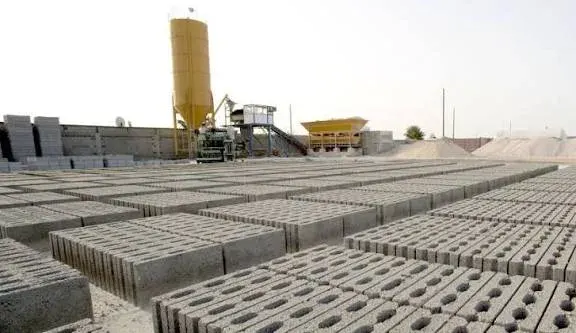
- Hollow blocks for non-load-bearing walls, lighter and with better relative insulation.
- Solid blocks where higher strength is needed.
- Interlocking pavers for pavements, walkways, yards and parking, in many shapes and colours.
- Kerbstones for road and pavement edges.
A varied range gives flexibility as demand shifts, since one machine can produce different products by changing moulds.
Plant Components
Materials and weighing
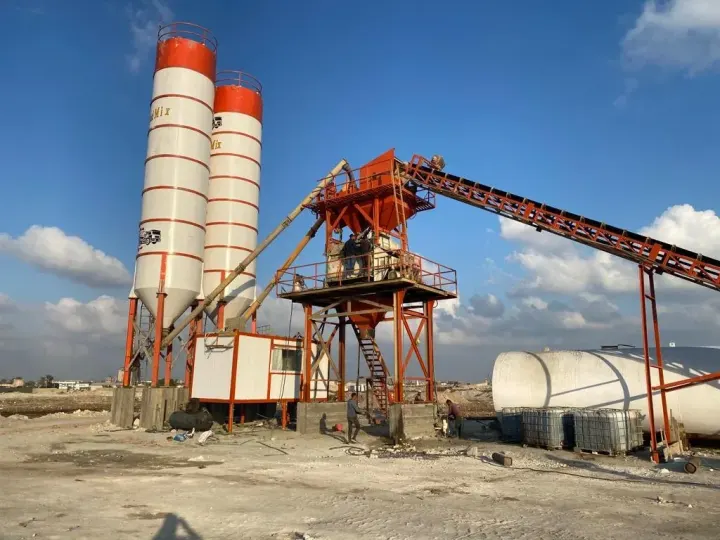
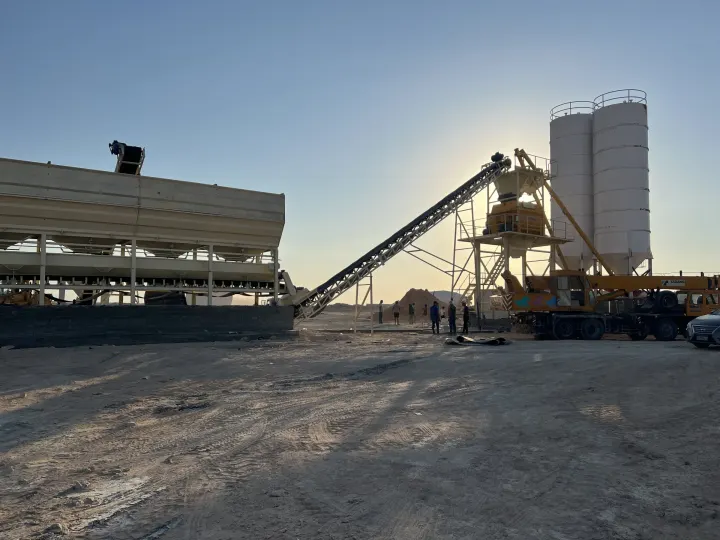
Aggregate bins, a cement silo and scales for each material, just as in a batching plant. Size your cement storage silos to production volume.
Mixer
Planetary mixers are usually preferred because semi-dry block and paver mixes need very even distribution of cement and pigments.
Forming machine
The heart of the plant. Moulds are filled, then vibrated and compressed simultaneously to produce dense units with accurate dimensions. Vibration and compression quality determine density, strength and surface finish.
Moulds
Each product needs its own mould. Moulds wear with use and directly affect dimensional accuracy.
Handling and curing
Conveyors for materials, transfer of fresh products to the curing area and space for storage. Curing is critical: products gain strength during this stage, and poor curing weakens them regardless of mix quality.
Key Investment Decisions
Market: identify your buyers, whether residential contractors, road and infrastructure firms or landscaping projects, and which products sell locally. This defines products, moulds and capacity.
| Criterion | Semi-automatic | Automatic |
|---|---|---|
| Capital | Lower | Higher |
| Labour | More | Less |
| Quality consistency | More labour-dependent | Higher |
| Output | Usually lower | Usually higher |
| Best for | Starting in a local market | Regular supply to large projects |
Site: allow space for aggregate stockpiles, curing, finished product storage and truck loading, plus adequate power and water.
Materials: clean, graded aggregate is essential. If your source is contaminated, consider screening and washing machines.
Site Layout
Follow one clear flow: aggregate stockpiles, plant bins and mixer, forming machine, curing area, storage yard and truck loading. Fewer crossings between equipment, workers and trucks mean fewer accidents, less product damage and higher productivity. Leave room to add moulds or lines later.
Quality Factors
- Accurate mix design and proportioning.
- Vibration and compression tuned per product.
- Mould condition and timely replacement.
- Proper curing, keeping products moist and shielded from direct sun and wind.
- For coloured pavers, suitable pigments, often in a coloured face layer over a base layer.
Quality Control and Testing
Buyers compare suppliers on strength, dimensions and appearance. Test production samples regularly, monitor dimensions and surface finish and keep records. Those records protect quality and become a strong sales tool when bidding for large projects where consultants require documented results.
Common Mistakes
- Buying the machine before studying local product demand.
- Underestimating curing and storage space.
- Using unprocessed aggregate, causing surface and dimension defects.
- Cutting curing short to sell faster, damaging strength and reputation.
Steps to Get Started
- Feasibility and market study.
- Site selection with adequate space and utilities.
- Plant specification: automation, products, moulds, capacity.
- Secure aggregate and cement supply.
- Installation and commissioning with trials for each product.
- Training in operation, maintenance and quality control through our training and technical support.
- Marketing with samples and test results.
Related reading: sand and aggregate screening and washing and twin-shaft vs planetary mixers.
Frequently Asked Questions
Can one machine make blocks and pavers?
Usually yes, by changing moulds and adjusting settings and mixes for each product.
What matters most for paver quality?
Clean graded aggregate, an accurate mix, tuned vibration and compression, and proper curing working together.
How do I estimate plant cost?
It depends on automation level, products, number of moulds and ancillaries, so request a quote based on your production plan.
Build Your Investment on the Right Basis
Mousa Sons offers cement block and interlock plant manufacturing. Share your target products and site, and request an estimated quotation.