A practical guide to how screening and washing improve aggregate and concrete quality, covering single and double deck screens, when washing is needed and how to choose the right setup.
Sand and aggregate screening and washing is the first line of defence for concrete quality, because aggregates make up most of every mix. Vibrating screens separate aggregates into defined sizes and remove oversize material, while washing equipment removes clay, silt, dust and impurities clinging to sand and gravel. The result is clean, consistently graded aggregate that produces stronger, more consistent concrete, reduces water and cement demand and protects plant equipment from wear. This article explains how the equipment works, when you need it and how to choose.
Why Aggregate Quality Matters
- Weak bond: clay and silt coat particles and reduce adhesion to cement paste, lowering strength.
- Higher water demand: excess fines absorb water, pushing operators to add more and raising the water-cement ratio.
- Inconsistent quality: grading that shifts between deliveries produces variable batches.
- Higher cement use to compensate for poor aggregate.
- Equipment wear and blocked gates from foreign objects, oversize and sticky clay.
How Vibrating Screens Work
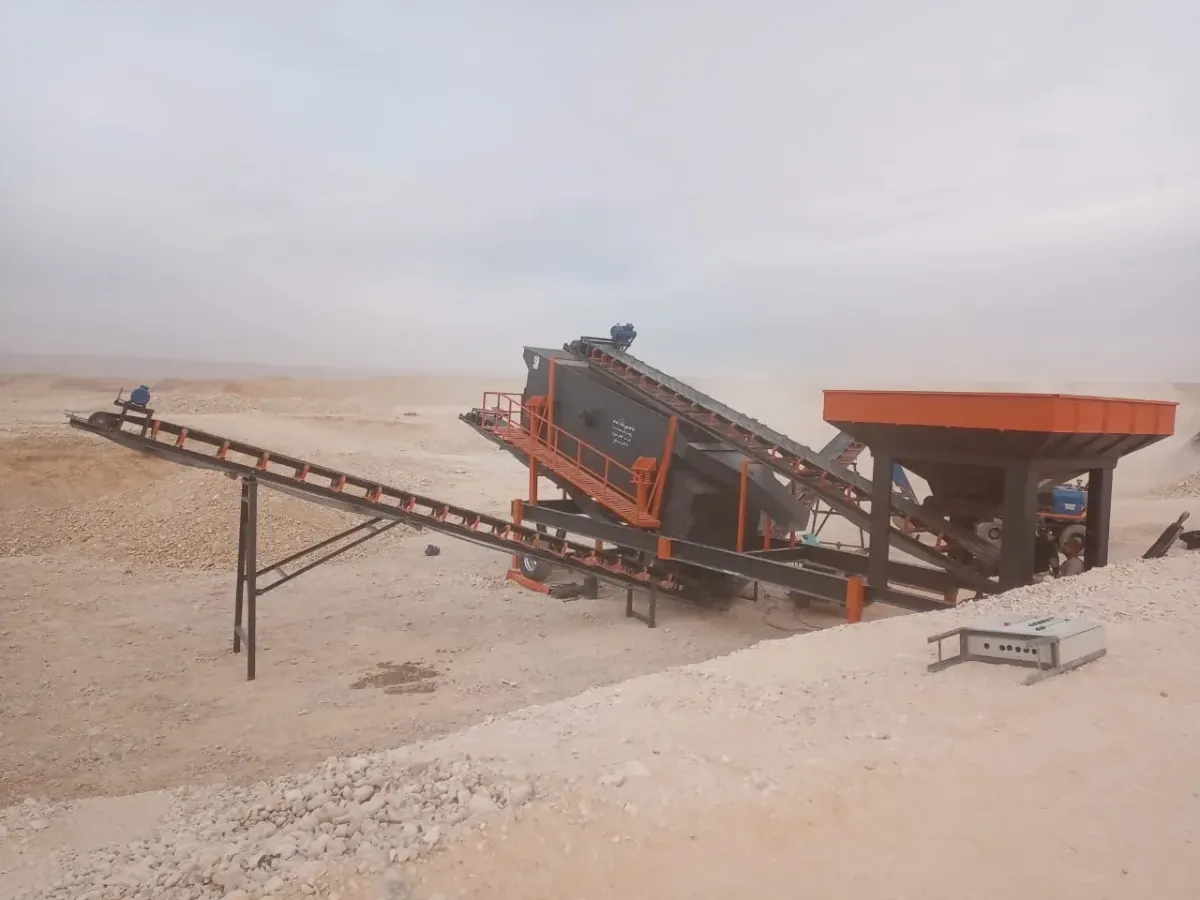
A screen is a frame carrying one or more mesh decks, vibrated by a motor-driven exciter. Smaller particles fall through the openings while larger ones travel to the discharge end, splitting the material into sizes that can be stockpiled separately.
Single or double deck?
Mousa Sons supplies single-deck sand screens and aggregate screens with two, three or four decks, depending on how many sizes you need. The basic difference between one and two decks:
| Criterion | Single deck | Double deck |
|---|---|---|
| Output fractions | Two | Three |
| Typical use | Removing oversize or separating sand from gravel | Producing more than one gravel size |
| Footprint and weight | Smaller | Larger |
| Grading flexibility | Limited | Higher |
| Maintenance | Simpler | More parts to monitor |
How Sand and Aggregate Screening and Washing Work Together
Washing combines water with mechanical action to break clay and silt away from particles, then separates dirty water from clean aggregate. Screens are often fitted with spray bars to wash gravel as it vibrates, while sand needs dedicated washing equipment that keeps useful fines and removes harmful ones. The goal is balance: remove clay and silt without losing the fine sand your grading needs.
Impact on Plant Equipment
Unprocessed aggregate hurts the plant as well as the concrete. Oversize stones block bin gates and tear belts, sticky clay clings to hoppers and conveyors, disrupting flow and weighing accuracy, and hard foreign objects accelerate wear on mixer paddles and liners. Investing in aggregate processing therefore reduces maintenance, spare parts and downtime while improving quality.
Where Screening Fits in the Line
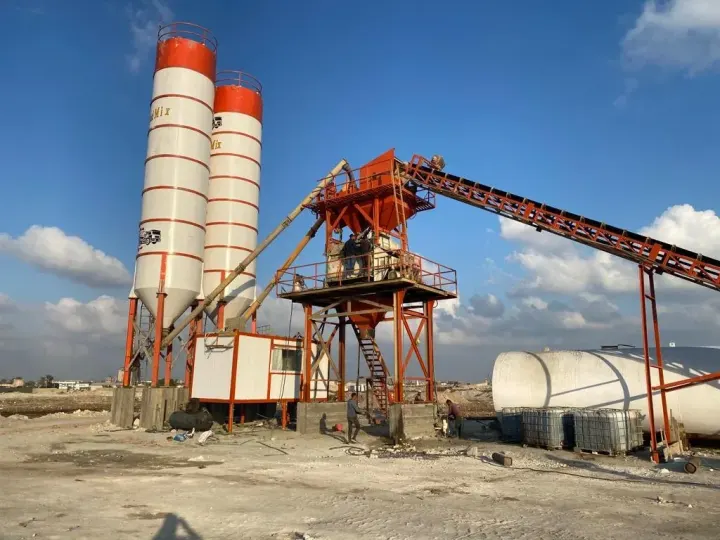
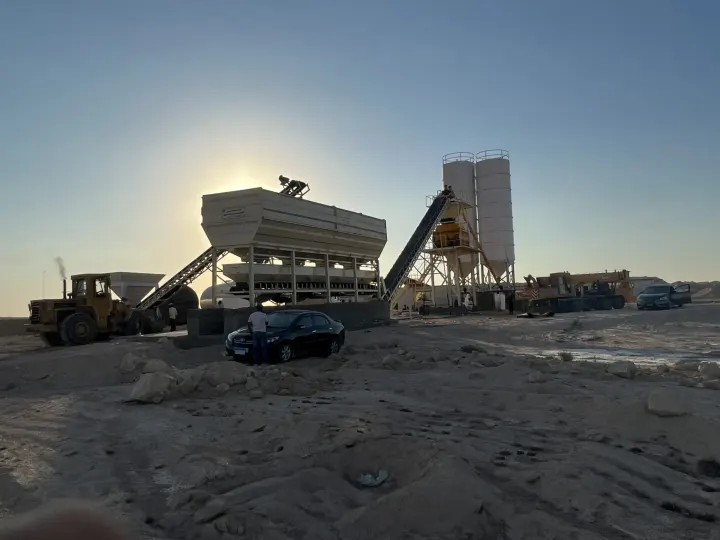
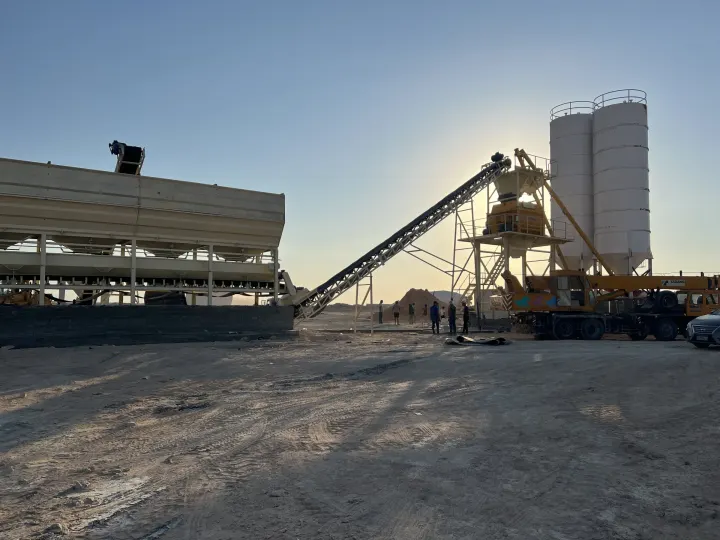
Screens and washers typically sit between the raw aggregate source and the stockpiles. Raw material is fed to the screen, separated and washed where needed, and each fraction goes to its own stockpile before reaching the plant bins. This ensures only processed aggregate enters the plant and prevents fractions mixing in storage.
When Do You Need It?
- Your aggregate sources contain clay, dust or organic contamination.
- Grading varies noticeably between deliveries.
- Consultants impose strict aggregate specifications on major projects.
- You produce high-strength concrete or blocks and pavers that need precise grading.
- You want control over your aggregate supply.
Choosing the Right Configuration
Consider the contamination level of your source, the number of sizes your mixes require, the volume needed to keep the batching plant supplied, reliable water supply with settling ponds for reuse, and integration with the plant layout using suitable conveyor belts to reduce handling.
Common Mistakes
- Buying a batching plant but relying on unprocessed aggregate.
- Choosing a single-deck screen when your mixes need several gravel sizes.
- Over-washing sand and losing the useful fines needed for good grading.
- Ignoring water supply and settling ponds until the equipment is installed.
Maintenance
- Inspect screen mesh for tears and enlarged openings that quietly ruin grading.
- Monitor the exciter and bearings and lubricate as instructed.
- Clean blocked spray nozzles.
- Re-tighten fixings loosened by constant vibration.
- Clean settling ponds to keep water reuse efficient.
Include these tasks in your preventive maintenance programme.
Related reading: cement block and interlock plants and batching plant components.
Frequently Asked Questions
Can washing be skipped?
With a clean, consistently graded source, screening alone may be enough. With contaminated aggregate, washing is essential.
Do screens help block and paver plants?
Yes. Blocks and pavers need clean, precisely graded aggregate for good surfaces, accurate dimensions and consistent strength.
Does clean aggregate reduce production cost?
It reduces compensating cement and water, rejected pours and equipment wear, all of which affect real production cost.
Start With Aggregate Quality
Mousa Sons manufactures sand and aggregate screening and washing machines configured to your source and volume. Tell us about your aggregate and required sizes, and request an estimated quotation.